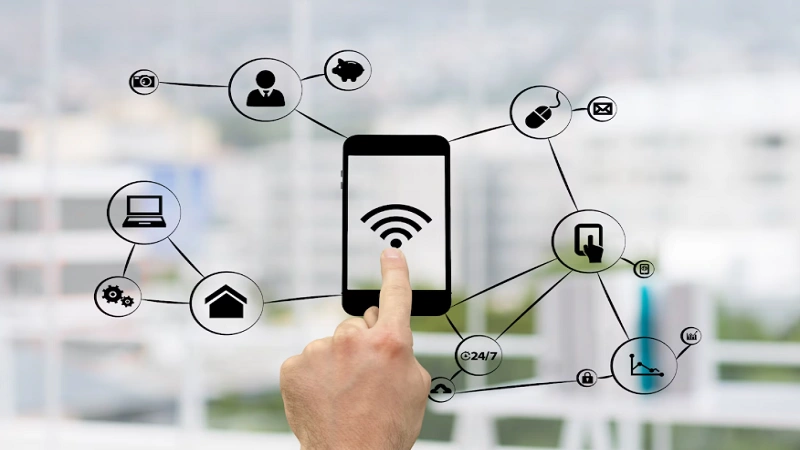
In the modern digital world, connectivity between devices is more important than ever. From smartphones and laptops to smart home appliances and industrial machines, technology depends heavily on smooth communication between systems. As digital ecosystems continue to expand, new platforms and technologies are emerging to simplify device integration and improve network efficiency. One of the concepts gaining attention in this space is zerodevicenet. This innovative approach to device networking is designed to streamline communication, enhance security, and improve the management of connected devices across various environments.
What is Zerodevicenet?
At its core, zerodevicenet refers to a modern framework or concept that focuses on seamless connectivity between devices without complex configuration processes. Traditional networking often requires manual setup, device identification, and multiple layers of authentication before devices can communicate effectively. This can slow down operations, increase the chances of human error, and create security vulnerabilities.
The idea behind zerodevicenet is to reduce these barriers by creating an environment where devices can connect and communicate with minimal setup. In many ways, it aligns with the broader movement toward automation, smart networks, and decentralized device management.
By simplifying device interaction, zerodevicenet can help businesses, developers, and everyday users manage large networks of devices more efficiently.
The Growing Importance of Device Networking
Over the past decade, the number of connected devices worldwide has grown dramatically. The rise of the Internet of Things (IoT) means that homes, workplaces, cities, and factories are filled with sensors, smart devices, and automated systems.
Managing such a large ecosystem can be complicated. Each device often requires configuration, updates, security monitoring, and performance management. When hundreds or thousands of devices are involved, the complexity increases significantly.
This is where the zerodevicenet concept becomes valuable. Instead of requiring every device to be configured manually, a streamlined networking structure allows devices to automatically integrate into a network environment. This reduces setup time and makes it easier to scale systems as new devices are added.
Key Features of Zerodevicenet
Several features make zerodevicenet an attractive approach for modern networking environments. While the exact implementation may vary depending on the platform or technology, the core principles remain similar.
1. Automatic Device Discovery
One of the most important features is automatic device discovery. Devices connected to the network can be detected and integrated without manual intervention. This allows networks to grow quickly without requiring complex setup procedures.
2. Simplified Configuration
Traditional networks often require technical expertise to configure properly. With zerodevicenet, much of the configuration process is automated. Devices can communicate using standardized protocols, reducing the need for specialized configuration steps.
3. Enhanced Security
Security is a major concern in any connected environment. Automated systems can help monitor devices, detect unusual behavior, and implement security policies more effectively. By centralizing certain aspects of network control, zerodevicenet can reduce vulnerabilities that often arise from poorly configured devices.
4. Scalability
Modern organizations frequently expand their technology infrastructure. Networks need to handle increasing numbers of devices without losing performance or stability. The architecture behind zerodevicenet supports scalable systems that can grow as needed.
Benefits for Businesses and Developers
Businesses that rely on large networks of connected devices can gain several advantages by adopting systems inspired by zerodevicenet principles.
First, operational efficiency improves significantly. Automated networking reduces the time required for device installation and management. This allows IT teams to focus on strategic tasks rather than repetitive configuration work.
Second, maintenance becomes easier. When devices are automatically monitored and integrated into a centralized management system, identifying problems becomes faster. This reduces downtime and improves system reliability.
Third, developers benefit from simplified integration. Applications designed for connected devices can interact more easily within a zerodevicenet-style environment. This encourages innovation and faster development of new digital services.
Applications in Different Industries
The potential applications of zerodevicenet extend across many industries. As digital transformation continues, organizations are searching for ways to simplify device management and enhance connectivity.
Smart Homes
In smart homes, multiple devices such as lights, thermostats, security cameras, and appliances must communicate effectively. A system based on zerodevicenet concepts could allow new devices to join the home network instantly without complicated setup steps.
Healthcare
Hospitals and healthcare facilities rely on numerous connected devices, including monitoring equipment, diagnostic tools, and patient tracking systems. Simplified networking can improve efficiency while maintaining strict security standards.
Industrial Automation
Factories and production facilities often operate thousands of sensors and machines. Managing these systems can be extremely complex. A networking approach similar to zerodevicenet can help streamline communication and ensure smooth operation across industrial systems.
Smart Cities
Urban infrastructure increasingly relies on connected technology. Traffic systems, surveillance cameras, environmental sensors, and public transportation networks all require reliable communication. Efficient device networking is essential for managing such large-scale digital ecosystems.
Challenges and Considerations
Despite its potential advantages, implementing a zerodevicenet-like system is not without challenges.
One concern is standardization. Devices from different manufacturers may use different communication protocols, making seamless integration difficult. Industry-wide standards are necessary to ensure compatibility between devices.
Another challenge involves security management. While automated networking can improve security in many cases, poorly designed systems could also introduce new vulnerabilities. Developers must ensure that authentication, encryption, and monitoring mechanisms remain strong.
Finally, organizations must consider infrastructure requirements. Transitioning to modern networking frameworks may require upgrades to existing systems, which can involve financial and technical investment.
The Future of Device Connectivity
As technology continues to evolve, the demand for smarter and more efficient networking solutions will only grow. The number of connected devices worldwide is expected to reach tens of billions in the coming years. Managing such a massive digital ecosystem requires innovative approaches to networking.
Concepts like zerodevicenet represent an important step toward more intelligent, automated connectivity systems. By reducing complexity, improving scalability, and enhancing device communication, this approach could play a significant role in the future of digital infrastructure.
Organizations that adopt simplified networking frameworks will be better positioned to handle the increasing demands of modern technology. Whether in homes, businesses, or cities, efficient device connectivity will remain a key factor in technological progress.
Conclusion
The rapid growth of connected devices has transformed the way technology operates in everyday life. Managing this expanding ecosystem requires new approaches that prioritize simplicity, automation, and security. The concept of zerodevicenet offers a promising solution by enabling seamless communication between devices while reducing the need for complex configuration.
As industries continue to embrace digital transformation, networking frameworks inspired by zerodevicenet principles may become essential tools for building efficient and scalable systems. By improving how devices interact and integrate, this approach has the potential to shape the next generation of connected technology.